
Systemic failures in drinking water systems can result in significant health risks. In Aotearoa, past outbreaks, which include the largest reported water-borne campylobacteriosis outbreak in the world, in Havelock North in 2016, have highlighted the severe impact of waterborne diseases.
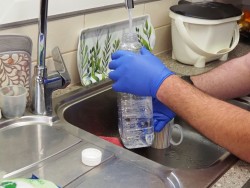
Current microbial water quality testing relies on monitoring for the faecal indicators of total coliforms (TC) and Escherichia coli - 19th century technology that fails to capture the full spectrum of potential pathogens and lacks insight into contamination sources. Metagenomics technology can identify all the genetic material present in a water environment and will be a paradigm shift for drinking water management. While it is now economically and practically feasible to apply metagenomics, there is a pressing need for fundamental science to underpin this tool’s implementation.
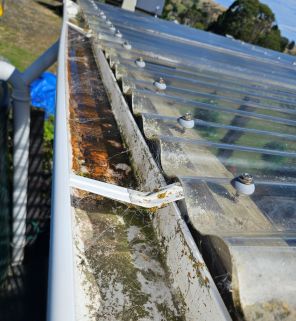
This PhD sits within a larger MBIE Endeavour project (start date October 2024) and builds on a previous Te Niwha project, extending the focus from a case study to a national assessment of microbial contamination risk in roof-water self-supplies. The project aims to quantify the number of people potentially exposed to risks associated with roof-water supplies across Aotearoa. This will involve integrating spatial datasets on water distribution zones, climate data, remote sensing, resource consent information, and commercial tank sales data to distinguish roof-water from groundwater supplies. Empirical analyses will test the relationship between roof-water exposure and notified cases of legionellosis and enteric disease, supported by targeted metagenomics and qPCR sampling to validate national exposure estimates
The ultimate aim is to ensure better water quality throughout Aotearoa and improved health outcomes for the communities we serve, upholding Te Tiriti o Waitangi by enabling tangata whenua to hold the Crown accountable for any inequity in water service provision or the protection of freshwater.
>> REPORT SUMMARY (PDF) January 2026
 |
 |
 |
